
When the Holidays Don’t Feel Joyful: Coping with Loneliness or Grief This Season

Let’s be honest. The holidays are not always merry and bright. For some people, they bring connection, cozy sweaters, and family traditions. For others, they stir up loneliness, stress, or memories that sting more than they sparkle.
If you’ve ever found yourself crying in the car after a holiday gathering or avoiding invitations because your energy tank is running on empty, you are not alone. Despite what every commercial and Christmas movie tells you, the holidays can be complicated.
And that’s okay.
This season, instead of trying to fake cheer, let’s talk about how to handle the heavy parts of the holidays with honesty, compassion, and maybe even a bit of humor.
The Myth of Holiday Happiness
Every year, starting sometime around early November, the world collectively agrees that joy is mandatory. You see it in the ads, the playlists, the matching pajama sets. Everyone looks like they’re thriving.
But here’s what you don’t see: the people who are grieving a loved one. The ones navigating family estrangement. The newly divorced. The overwhelmed parents. The people silently struggling with depression or anxiety while pretending to “enjoy every moment.”
At Birchwood Therapeutic Services, we see the full picture. The truth is, holiday happiness isn’t one-size-fits-all. Sometimes, “happy holidays” means just making it through the season in one piece. And that’s valid.
Why the Holidays Hit So Hard
There are a few reasons this time of year can stir up big emotions.
1. The pressure to be joyful The cultural script tells you that December must be magical. When your life doesn’t match that script, you start to feel like something’s wrong with you. You’re not broken; the script is.
2. Memories that resurface Holidays often remind us of people we’ve lost or moments that once felt safe. Grief loves to make surprise appearances between carols and cookie exchanges.
3. Social comparison overload Scrolling through social media during the holidays is like walking through a snow globe of perfection. Everyone’s posting highlight reels while you’re just trying to remember what day it is.
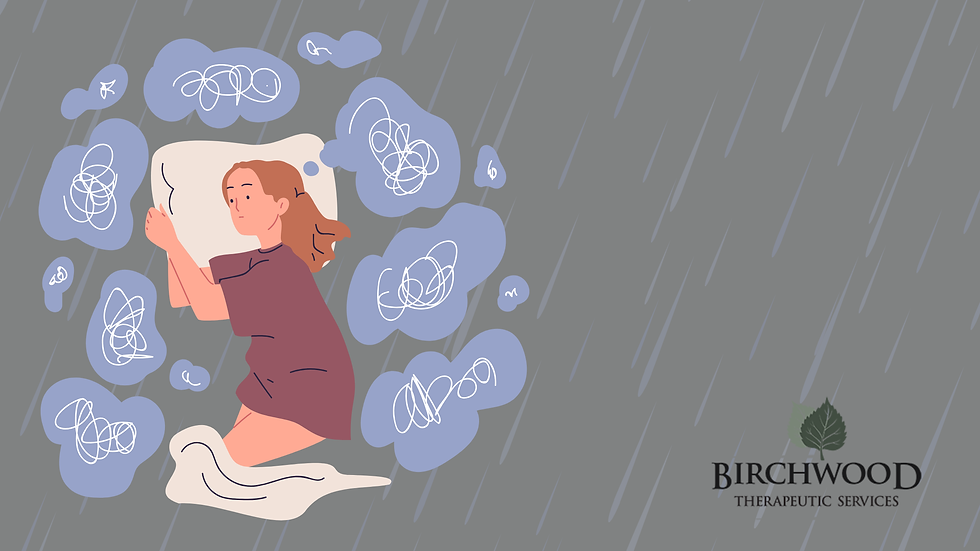
4. Sensory and emotional overload Crowded stores, family events, disrupted sleep, sugar overload, and endless to-do lists. It’s a lot for anyone’s nervous system to handle.
5. Loneliness Even surrounded by people, loneliness can creep in when you feel disconnected or unseen. Sometimes it’s quieter and more painful than being alone.
This is where mental health counseling and behavioral therapy can help people slow down, unpack what’s really happening beneath the surface, and find small ways to regulate again.
Let’s Talk About Grief
Grief doesn’t take a holiday break. In fact, it often RSVPs early. Whether you’ve lost a person, a relationship, or even a version of life you thought you’d have, grief can make the holidays feel like walking through a fog.
It can show up as sadness, irritability, fatigue, or even indifference. You might feel angry one day and nostalgic the next. That’s normal. Grief isn’t linear—it’s a loop.
You might find yourself saying things like:
“I thought I’d be over this by now.”
“I don’t want to bring the mood down.”
“I should be grateful, not sad.”
But grief doesn’t care about “shoulds.” It just needs space to exist.
Try this: Create a small ritual of remembrance. Light a candle, hang an ornament, write a letter, or share a favorite story. Let yourself feel what comes up. You’re not ruining the holidays; you’re honoring your humanity.
If it feels too heavy to manage alone, professional mental health support in Minnesota and therapeutic services in North Dakota are available year-round, not just when life feels calm.
When Loneliness Feels Louder
Loneliness isn’t just about being physically alone. It’s the ache of not feeling understood or connected. During the holidays, that ache can echo a little louder.
Maybe your family dynamic is complicated. Maybe friends are busy, or your community feels out of reach. Maybe you’ve recently moved, and everything feels unfamiliar.
Here’s the thing: loneliness is not a personal failure. It’s a human experience. The goal isn’t to “get rid” of it but to respond to it with compassion.
A few ways to reconnect (without forcing yourself into a Hallmark mood):
Start small. Say hello to a neighbor. Send a text to someone you’ve lost touch with. Tiny gestures count.
Join something new. Community classes, volunteer opportunities, or local events can help rebuild connection without pressure.
Redefine connection. Sometimes connection looks like time with a pet, nature, or even a favorite book. The brain still registers that as soothing.
Reach out for help. Therapeutic services exist to help you process loneliness in a healthy way, not to “fix” you.
Setting Boundaries Without Guilt
Boundaries during the holidays are like snow tires—you don’t realize how badly you need them until you start skidding.
You don’t have to attend every event, answer every text, or smile through every dinner. Boundaries are not rude. They’re responsible.
When you say yes to everyone else, you might be quietly saying no to your own well-being. Behavioral therapy often teaches that setting limits helps regulate stress, prevent burnout, and maintain emotional balance.
If guilt creeps in, remind yourself: boundaries make connection sustainable. They keep relationships honest. And they protect your energy for the moments that truly matter.
The Power of Small Joy
When you’re grieving or feeling isolated, joy can feel like an alien concept. But joy doesn’t have to be big or loud. It can live in small, quiet moments.
The smell of coffee in the morning. A walk in the cold air. Laughing at something ridiculous on TV. These moments don’t erase pain, but they create balance.
Try creating a “comfort menu.” List things that make you feel grounded—music, movement, favorite foods, or people who get you. When the hard days hit, you’ll already have a toolkit waiting.
And if it feels like joy just isn’t reachable right now, that’s okay too. Healing doesn’t always look like happiness. Sometimes it looks like getting out of bed and brushing your teeth. That counts.
The Role of Therapy During the Holidays
You don’t have to navigate emotional overload alone. This is exactly what therapy is designed for—to hold space when life feels too heavy or confusing to sort through solo.
At Birchwood, our team of licensed therapists offers compassionate mental health counseling that meets you where you are. Therapy isn’t about pretending everything is fine. It’s about learning how to care for yourself even when things aren’t.
Whether it’s behavioral therapy, trauma-informed care, or relational support, working with a therapist can help you identify patterns, develop coping skills, and find ways to make this season gentler.
Sometimes the biggest relief comes from saying, “This is hard,” and having someone respond, “I know—and you’re doing okay.”
Practical Tips for Emotional Survival
Plan your energy, not your calendar. Before saying yes to any event, ask: “Do I have the energy for this?” Protect your bandwidth like it’s the last cookie on the plate.
Limit exposure to triggers. You can step out of conversations that feel hurtful or draining. It’s okay to excuse yourself from gatherings that don’t support your mental health.
Make space for rest. Rest isn’t lazy—it’s repair. Prioritize downtime, even if it’s just five quiet minutes before bed.
Rethink traditions. If old traditions hurt, create new ones. Watch a different movie, volunteer, or travel somewhere new. Traditions should fit your life, not the other way around.
Talk about it. Vulnerability is connection. Sharing how you really feel might open a door for someone else who’s struggling too.
Seek professional support. If emotions feel unmanageable, reach out for mental health support. Therapy is a safe place to untangle grief and loneliness with someone who knows how to listen without judgment.
A Gentle Reminder
You don’t have to “fix” the holidays. You don’t have to perform joy or pretend that everything is fine. You just have to keep showing up as you are.
If this season feels heavy, let it be heavy. If it feels quiet, let it be quiet. Healing doesn’t need a festive timeline.
At Birchwood Therapeutic Services, we believe that every emotion deserves a seat at the table—even the hard ones. Our mission is to help you navigate them with understanding, warmth, and care.
Because the truth is, joy and grief can coexist. You can miss someone and still laugh at a bad joke. You can feel lonely and still appreciate a sunset. You can hold pain and gratitude in the same heart.
And sometimes, that’s what healing really looks like.
Finding Support
If you’re struggling this holiday season, our team at Birchwood Therapeutic Services offers mental health counseling, behavioral therapy, and a wide range of therapeutic services for individuals, couples, and families.
Whether you’re in Minnesota and seeking mental health support or in North Dakota and looking for therapeutic services, we’re here to help you find clarity, peace, and balance—one step at a time.
Reach out today to schedule an appointment with one of our licensed therapists. You don’t have to navigate this season alone.


Comments